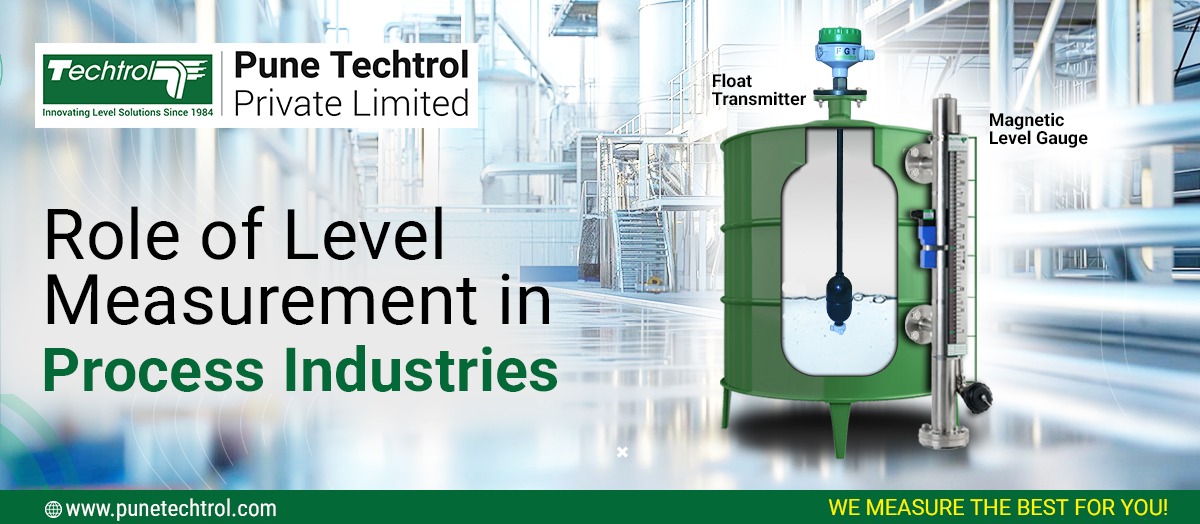
Role of Level Measurement in Process Industries
Level measurement is one of the most critical parameters to be monitored in industrial processes. It ensures safety, reliability and efficiency of process with consistent product quality. Accurate level measurement affect process control, inventory management, and safety compliance, making it essential in all process industries like oil & gas, chemical, water treatment, food & beverage, power generation and many more.
Why Level Measurement Matters?
Safety and Compliance
- Prevents overflow and spillage of material, reducing hazards and environmental risk, thereby complying government regulations.
- Avoids dry running of pumps and equipment damage due to underfilling.
- Safe handling of hazardous, corrosive and toxic liquids
Process Efficiency
- Automated level control reduces manual intervention, material waste.
- Continuous level monitoring helps detect issues early, reduced downtime, keeping production lines running smoothly.
- Improves energy efficiency avoids unnecessary heating, cooling or mixing cycles
Inventory Management
Accurate level data enables better material accounting and supply chain planning. Industries rely on precise measurements for billing, logistics, and production scheduling.
Process Control
Level measurement supports automation of processes ensuring material level remains in certain range, improving operational stability.
Improve Product Quality
Maintaining optimal levels in process and storage tanks – combined with automated alarms and cutoffs ensures deviations are corrected before affecting product quality.
Applications of Level Measurement in Industry
- Boiler Drum Level Control: Maintaining precise water level in boiler ensures efficient and consistent steam generation. Low water level leads to catastrophic boiler failures, while excess level may result in water carryover with steam.
- Level Measurement in Chemical Reactor: Reaction depends on correct ratio of reactants. Accurate level measurement ensures correct amount of liquid and solid is present in reactor. Helps in maintaining output product quality.
- Bilge Level Detection in Marine: Early detection of water level in bilges activates alarm or automatic pumps to prevent flooding in machinery spaces. This protects engines, generators, and other equipment from damage and electrical short circuits.
- Tank farm Management: is a strategic function in oil & gas industry. Accurate level measurement alongwith automation safety and inventory check ensures safe storage with financial accuracy, regulatory compliance and unintrupted operations.
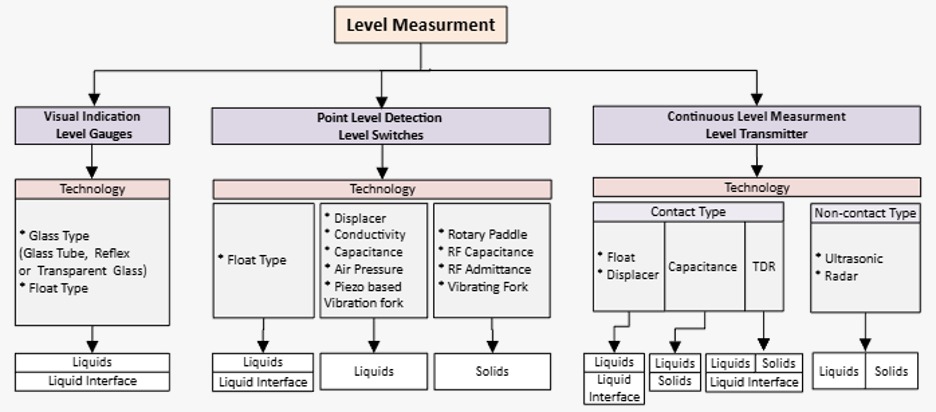
Types of Level Measuring Instruments
Broadly, level measurement instruments can be classified into three categories for liquid and liquid–interface applications:
- Level Gauges
- Level Switches
- Level Transmitters
For solid materials such as powders and granules, level switches and level transmitters are commonly used.
Let’s see the various technology used in level instruments as hereunder.
Integration with Industry 4.0
Pune Techtrol’s all level instruments has IIoT connectivity, enabling
- Remote monitoring
- Predictive maintenance
- Real-time analytics for process optimization
Conclusion
Level instruments and advancements in radar, wireless technology, and digital integration, are playing a pivotal role in shaping the future of process automation.
-
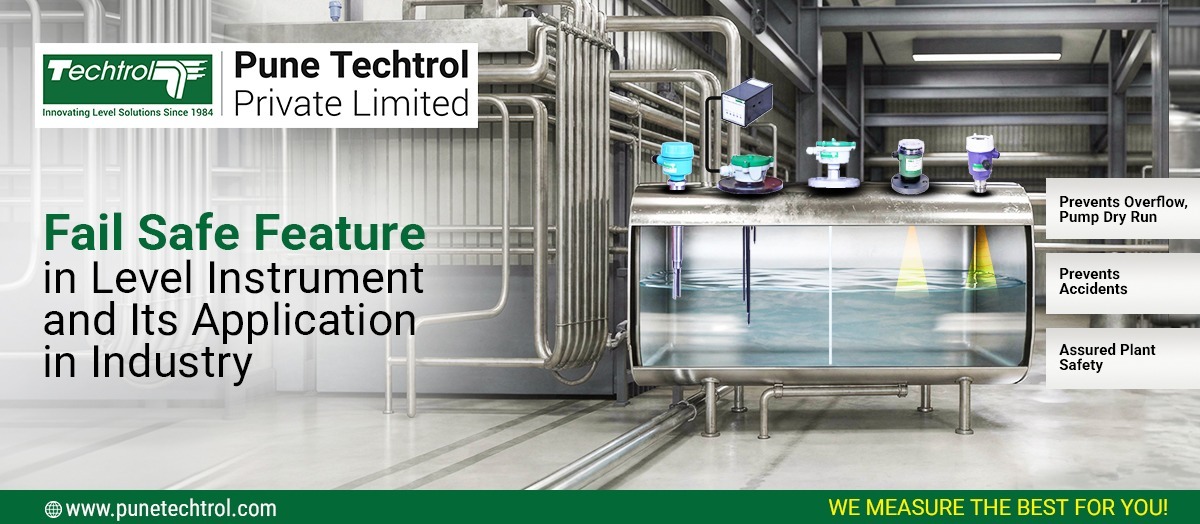
Fail Safe in Level Instruments: What It Is and Why It Matters
-
Role of Level Measurement in Process Industries
-
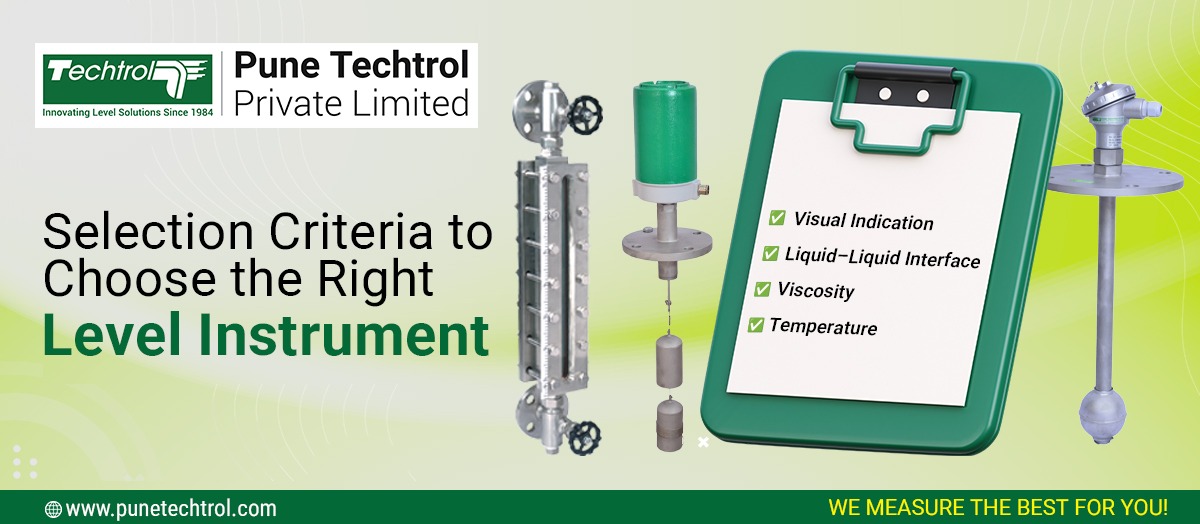
Selection Criteria to Choose the Right Level Instrument
-
Products